After Dark on Campus: A Step-by-Step Framework for Building Your Personal Safety Plan
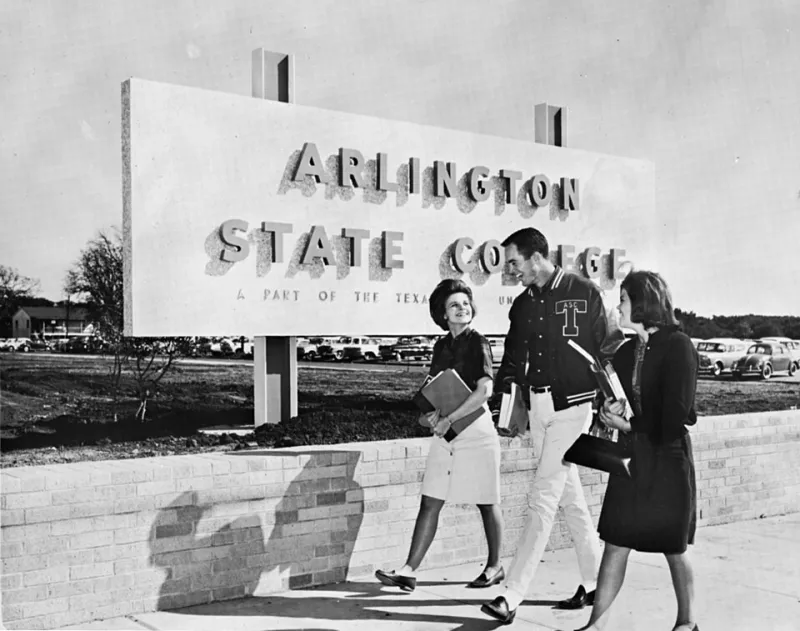
Photo: University of Texas at Arlington News Service Photograph Collection, CC BY 4.0, via Wikimedia Commons
Most students think about personal safety in moments — a late walk home from the library, an unfamiliar shortcut after a night class. But safety professionals, from campus police departments to the Clery Act compliance offices that govern US colleges, tend to think in systems. The difference between a moment of caution and a genuine safety plan is preparation done in advance, when you're calm and thinking clearly.
This article lays out a framework any student can follow at the start of a semester: assess your routines, map your routes, build a communication network, and select the right protective gear for your situation and your state's laws.
Step One: Audit Your Routines
Before you plan anything, you need an honest picture of where you're actually exposed. Pull up your class schedule and map your typical week. When are you walking alone? After a 9 p.m. chemistry lab? Leaving a shift at an off-campus job at midnight? Early mornings to the gym before sunrise?
Write down the three to five windows where you're most likely to be alone and less visible. These are your priority scenarios — everything else in your plan should address them directly.
Step Two: Map Your Routes in Daylight
Once you know when you're vulnerable, decide how you'll move. Campus safety offices consistently recommend planning routes in advance rather than improvising at the end of a long night.
When evaluating a route, look for:
- Lighting: Well-lit paths, emergency blue-light phones, and areas with regular foot traffic
- Visibility: Open sightlines rather than dense hedges, alleys, or stairwells that hide you from view
- Activity: Routes past 24-hour businesses, dorm entrances, or campus security patrols
- Backup options: At least one alternate route so you're never predictable
Many US campuses offer safe-walk or escort services — a free program where an officer or student patrol member accompanies you to your destination. Save the number in your phone before you need it.
Step Three: Build Your Communication Network
A safety plan is not a solo project. Identify two or three trusted contacts — a roommate, a parent, a close friend — and agree on a simple system:
- Location sharing: Use the live location feature built into your phone (Find My on iPhone, Google Maps location sharing on Android) during walks home
- Check-in texts: A quick message when you leave and when you arrive, with an agreed code word if something feels wrong
- Emergency contacts: Program campus police and local non-emergency numbers alongside 911
Consider downloading your campus safety app if your school provides one — many include virtual escort features and one-tap emergency alerts.
Step Four: Choose Your Tools — Legally
Personal safety tools are most effective when they're familiar, accessible, and lawful where you carry them. This is where students frequently get tripped up, because regulations vary dramatically across the United States.
Pepper spray is legal in most states, but some — including New York and Massachusetts — restrict purchase to licensed dealers or pharmacies, and a handful of cities have their own rules. Campus policies may also prohibit carrying it in certain buildings.
Personal safety alarms are legal everywhere and are an excellent option for students who want a non-contact tool. A loud alarm draws attention, which is precisely what most offenders want to avoid.
Kubotans and tactical flashlights offer discreet, legal options in most jurisdictions, and a quality flashlight doubles as a visibility tool on dark paths.
Before purchasing anything, check three things: your state's law, your city or county ordinances, and your university's student code of conduct. A tool that's confiscated at a dorm check-in helps no one.
Step Five: Practice Until It's Automatic
A plan you've never rehearsed will fail under stress. Once per month, walk your primary route with intention. Practice drawing your alarm or spray from where you actually carry it — a buried backpack pocket is not a carrying method. Notice whether your headphones are blocking out your surroundings and consider keeping one earbud out at night.
Your Semester Safety Checklist
Print this and complete it during the first week of every semester:
- Identify my three most frequent solo walking windows
- Map a primary and backup route for each, noting lighting and blue-light phones
- Save campus escort service and campus police numbers in my phone
- Set up location sharing with my designated contacts
- Agree on a check-in code word
- Verify my safety tools are legal in my state and permitted by my campus
- Practice retrieving my safety tool from its carry location
- Walk my primary route once in daylight and once at night
Preparation Is Protection
A personal safety plan doesn't eliminate risk — nothing does. But it dramatically shortens the distance between noticing a problem and responding to it, and it replaces late-night improvisation with decisions you made when you were thinking clearly. Combine a solid plan with quality protective gear, and you've built layers of protection that work even when one fails.
Review your plan each semester. Campuses change, schedules change, and your plan should change with them.