The 48-Hour Backpack: Turning Everyday Carry Into Quiet Emergency Preparedness
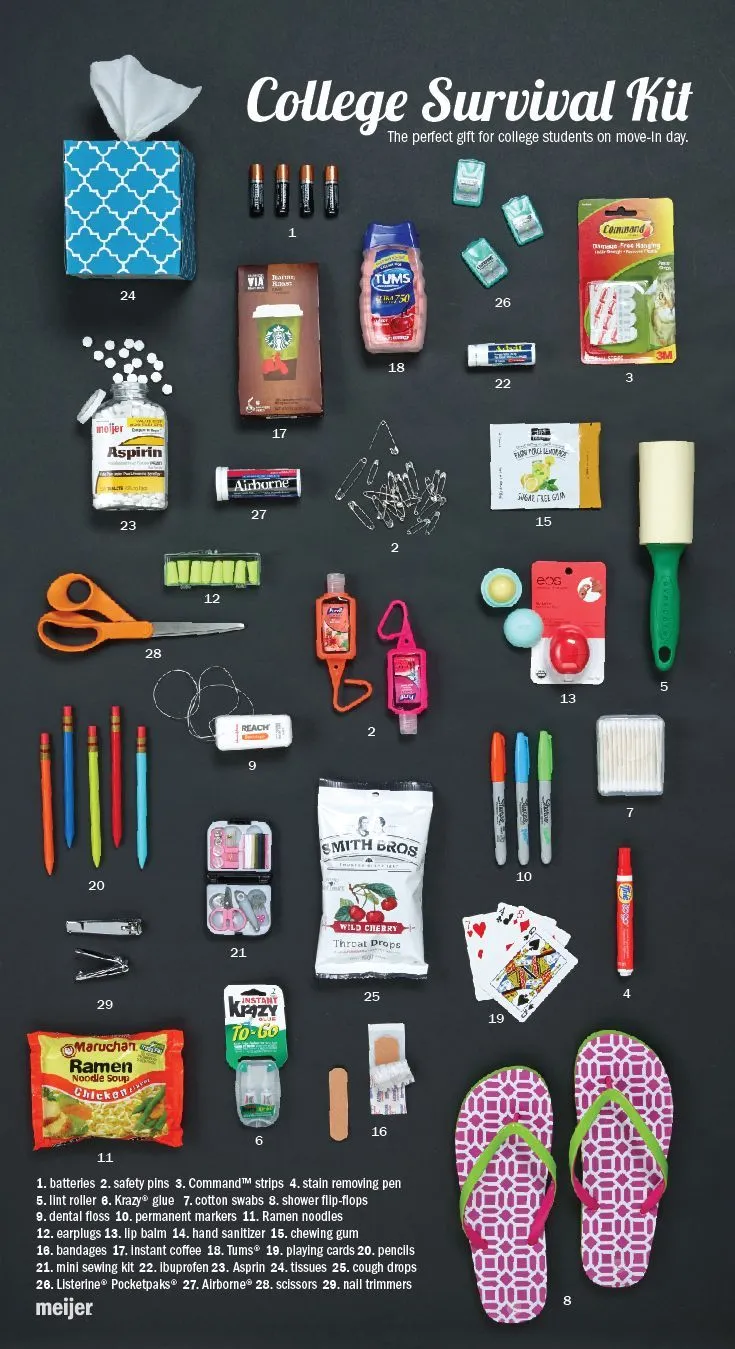
Photo: college student backpack contents laid out flat emergency supplies, via i.pinimg.com
When severe weather knocked out power across parts of the Midwest last winter, students at several state universities found themselves navigating dark dorm hallways, closed dining halls, and dead phone batteries — all within a few hours. Most were fine. Some were not comfortable, and a few were genuinely unprepared.
The lesson is not that every student needs a bug-out bag strapped to their desk. The lesson is simpler: you already carry a backpack to class every day. With a handful of deliberate choices, that same bag can quietly hold everything you would need for the first 48 hours of an emergency — a storm, a campus lockdown, a prolonged power outage, or a late-night situation that leaves you stranded.
Why 48 Hours Is the Right Target
Emergency management agencies, including FEMA and the American Red Cross, generally advise that individuals be prepared to be self-sufficient for at least 72 hours. For students, 48 is a practical floor. Campus resources — residence staff, dining services, campus police — usually mobilize quickly, and most students are within reach of help within a day or two. Preparing for 48 hours covers the gap between the moment something goes wrong and the moment organized help arrives.
The goal is not survivalism. It is continuity: staying warm, hydrated, informed, and reachable while the situation resolves.
The Core Categories
Every item in a preparedness backpack should fall into one of six buckets. If an item does not serve one of these purposes, it probably does not belong.
Water. A collapsible one-liter bottle weighs almost nothing when empty and folds flat against the bag's interior. Add a few water purification tablets or a small filter straw, and you can safely extend whatever water you carry.
First aid. A compact kit with adhesive bandages, gauze, antiseptic wipes, tweezers, and any personal medications you cannot go a day without. Students with prescriptions should keep a one- or two-day reserve in the bag, rotated regularly.
Power and light. A fully charged 10,000mAh power bank and a small LED flashlight or headlamp. A phone at 5% battery is a safety liability after dark; a charged bank doubles your effective communication window.
Weather protection. A packable rain shell or compact poncho, a mylar emergency blanket (which weighs under two ounces), and an extra pair of socks. Exposure and wet clothing cause more misery in emergencies than most people expect.
Documents and information. A photocopy of your student ID, driver's license, and insurance card, sealed in a small zip-top bag. Photograph the originals and store them in encrypted cloud storage as a backup.
Food and small tools. Two or three calorie-dense snacks — granola bars, nut butter packets, jerky — plus a small multi-tool or a compact flashlight with a built-in breaker. Check campus policies before carrying anything with a blade; a tool-free version of this category works fine for most students.
Tiered Checklists by Living Situation
Not every student faces the same risks. Tailor your kit to where you sleep and how you get around.
Commuters. Your car or transit route is your vulnerability. Prioritize weather protection, a charged power bank, a paper map or offline maps downloaded to your phone, and enough snacks and water to wait out a transit shutdown. A windshield sunshade that doubles as an insulating layer is a clever addition for car-based commuters.
Dorm dwellers. Your building is your shelter, so focus on power outages and evacuation. Add a glow stick or two for hallways, a whistle for signaling, a printed list of emergency contacts, and sturdy slip-on shoes kept near your bed — an often-overlooked item, since evacuations at night frequently happen barefoot.
Off-campus students. You may not have residence staff checking on you. Emphasize self-sufficiency: a slightly larger water capacity, a hand-crank or battery radio for news during outages, and cash in small bills, since card readers fail exactly when you need them.
Budget-Friendly Swaps Under $25
Preparedness gear has a reputation for being expensive, but most of it is not. Consider these swaps:
- Collapsible water bottle: $10–$15
- Mylar emergency blanket (two-pack): under $8
- Basic 30-piece first aid kit: $10–$20
- LED keychain flashlight: $8–$12
- Packable poncho: $10 or less
- Power bank: often $15–$25 on sale
Assembled gradually — one or two items per month — the entire 48-hour kit can come together over a semester for well under $100. Start with power and light, since those have the highest everyday utility, then build out the rest.
Keeping It Subtle and Sustainable
The best emergency kit is one you forget you are carrying. Weigh your bag after assembly: if the additions exceed three or four pounds, reassess. Rotate snacks and medications at the start of each semester — tie the habit to something you already do, like buying textbooks or moving into a dorm. Check the power bank's charge monthly; a dead battery in a kit is the most common failure point we hear about.
The Quiet Confidence of Being Ready
Preparedness is not about fear. It is about removing one category of worry from an already stressful stage of life. The student who has a flashlight, a charged battery, and a copy of their insurance card in their bag walks through a campus outage differently than the one scrolling for a phone charger in the dark.
Build the kit once. Refresh it each semester. Then let it sit quietly at the bottom of your backpack, doing the one job you hope it never has to do.