The First Ten Minutes: What Every Student Should Know Before a Campus Emergency Happens
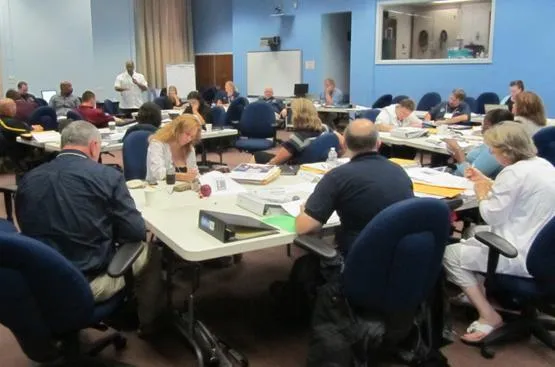
Photo: Department of Homeland Security. Federal Emergency Management Agency. Public Affairs Division. 3/1/2003, Public domain, via Wikimedia Commons
Emergencies on American college campuses rarely announce themselves politely. A smoke alarm in a residence hall at 2 a.m., a tornado warning issued mid-lecture, a medical collapse in the campus gym — each unfolds in a blur, and each is shaped decisively by what happens in the first ten minutes. Yet when researchers and emergency managers survey students about their institutions' alert systems and evacuation routes, the most common answer is a shrug.
That shrug is the problem. Preparedness is not paranoia. It is a modest, one-time investment of attention that pays off precisely when everything else is chaotic.
Why Ten Minutes Matters
Emergency responders often describe the initial minutes of a crisis as the window in which outcomes are determined. Fires double in size in under a minute under the right conditions. Severe weather warnings typically provide lead time measured in tens of minutes, not hours. During a lockdown, the difference between a student who knows the protocol and one who freezes can be measured in footsteps.
What makes the first ten minutes so consequential is that they are the only part of an emergency you control without outside help. Firefighters have not arrived. Police may still be en route. The National Weather Service can issue warnings, but it cannot walk you to shelter. In that window, your knowledge — or lack of it — is the plan.
Every Campus Is Different, and That's the Trap
Students who transfer, attend graduate school, or visit friends at other universities often assume emergency procedures are standardized. They are not.
- Alert systems vary. Some schools use text messages exclusively; others layer in sirens, public-address announcements, desktop pop-ups, and mobile apps. If you have not opted in to the text system, you may hear nothing at all.
- Shelter locations differ by building. The tornado shelter in the science building may be a basement corridor; in the library, an interior restroom on the second floor. There is rarely a universal answer.
- Evacuation routes are building-specific. Construction, renovations, and locked secondary exits mean the route you memorized for one dorm may not apply to the lecture hall next door.
- Lockdown procedures have evolved. Guidance has shifted over the years — many institutions now teach "Run. Hide. Fight." rather than a single hide-in-place doctrine. If your mental model comes from a high school drill a decade ago, it may be outdated.
A Practical Checklist: Your Ten-Minute Preparedness Audit
Here is the encouraging part: the core work takes less time than scrolling through a social feed.
1. Find your emergency management office (2 minutes). Search your school's website for "emergency management" or "office of emergency preparedness." Most universities maintain a dedicated page with plans, maps, and contact information. Bookmark it.
2. Sign up for alerts (2 minutes). Register for the institution's emergency notification system with your current phone number and email. Verify that alerts are not being routed to a spam folder or an old address. Parents: ask whether your student's school permits family members to opt in as well.
3. Identify shelter and assembly points (3 minutes). For each building where you spend the most time — your residence hall, main academic buildings, workplace or gym — note the designated severe-weather shelter and the outdoor assembly point for evacuations. Many schools post this information near elevators or on individual building webpages.
4. Learn the lockdown protocol (2 minutes). Read your institution's specific instructions rather than relying on general advice. Know how doors in your frequent buildings lock, where you would shelter if you could not leave, and how you would communicate your location if necessary.
5. Save key numbers (1 minute). Campus police or public safety dispatch, the student health center, and the emergency management office. Program them into your phone with clear labels.
Rehearsal: The Step Nobody Takes
Knowledge without rehearsal tends to evaporate under stress. You do not need elaborate drills. Walk your residence hall's evacuation route once. Pause at the stairwell and note the secondary exit. During the first week of the semester, take five minutes to locate the nearest shelter from each of your classrooms. If your school runs drills — and federal law requires most institutions to document them — treat them as practice rather than an inconvenience.
Families can participate remotely, too. During a weekend call, ask your student to describe, in their own words, what they would do in a fire, a tornado warning, and a lockdown. Hesitation in a low-stakes conversation is a useful signal that more preparation is needed — better to discover it now than during an actual event.
Preparedness as a Habit, Not a Panic Response
There is a persistent cultural tendency to frame emergency planning as an act of fear. In reality, it is closer to wearing a seatbelt: a routine precaution that most people will rarely need, but which changes outcomes dramatically for those who do.
Students already prepare constantly — for exams, for job interviews, for a weekend road trip. Applying that same mindset to campus safety requires no new skill, only ten deliberate minutes and a small amount of follow-through. The first ten minutes of an emergency will happen whether you are ready or not. The only question is which version of those minutes you will experience.