Locked, Logged, and Labeled: A Start-of-Semester Gear Audit for Campus Shared Spaces
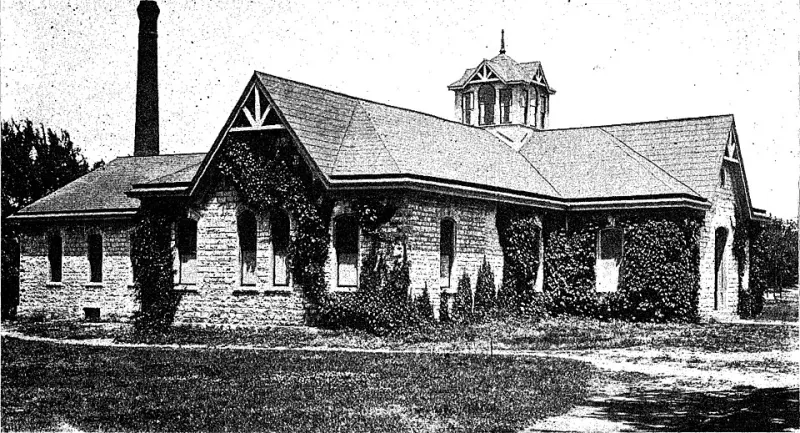
Photo: Kansas State Agricultural College, No restrictions, via Wikimedia Commons
Every semester has a version of the same conversation. A student arrives at the rec center for a 6 p.m. lift and finds the padlock gone and the duffel with it. Or a club treasurer discovers that the box of equipment bought with last year's fundraiser is missing three items nobody remembers using. Or a design student learns that a portfolio case left in a studio cubby over a long weekend is now a portfolio case owned by someone else.
Shared campus spaces are not hostile. They are simply anonymous, and anonymity is what theft and loss feed on. The fix is not a bunker mentality — it is a set of small, repeatable practices that make gear identifiable, accountable, and less attractive to take. Here are nine.
1. Choose a lock by its shackle, not its color
Most campus lockers accept a padlock with a shackle up to roughly a quarter inch in diameter. A thin shackle on a bright novelty lock can be cut in seconds. Look for a solid brass or hardened steel body, a shackle of at least 5/16 inch, and a combination that can be reset. Combination locks beat keys you can lose; a keyed lock beats a combination shared with three friends. Write the combination somewhere other than your phone case, and never use a locker number as the combination.
2. Label the outside, catalog the inside
A name and phone number on the exterior of a bag or case turns an anonymous item into someone's property. Use a permanent marker on fabric, a paint pen on hard plastic, or a luggage tag secured with a zip tie. Inside, keep a short packing list — four or five lines — photographed and stored in the cloud. It settles disputes about what was actually in the bag and helps campus police file an accurate report.
3. Photograph serial numbers before they matter
Take a picture of every serial number, model number, and distinguishing mark on equipment worth more than about a hundred dollars: laptops, cameras, instruments, rackets, bikes, lab kits. Tape the photos into a single cloud album named for the semester. A serial number on file is the difference between a report that ends in recovery and one that ends in a shrug.
4. Adopt a nothing-overnight rule for high-value items
The convenience of a locker expires the moment the item inside costs more than the semester's stress budget. Anything expensive, irreplaceable, or emotionally load-bearing goes home with you, even when that means the extra walk. Club storage closets get the same treatment: equipment that cannot be replaced with a purchase order should not sleep in an unmonitored room.
5. Learn the rhythms of the space
Every shared facility has hours when it is busy and hours when it is empty. The rec center at 7 a.m. has staff and foot traffic; the same room at 2 a.m. has neither. Studios open twenty-four hours are wonderful for productivity and poor for security. Use the busy hours when you are carrying gear, and treat the quiet hours as storage you should not rely on.
6. Build a one-page inventory for club storage
A shared closet needs a shared record. One page, one spreadsheet, updated at the start and end of every term: item, quantity, condition, storage bin, and the name of the person who checked it out. Add a photo where the item is expensive. The document takes twenty minutes to create and prevents an entire genre of mid-semester conflict.
7. Treat studio cubbies as semi-public, because they are
A cubby is a shelf, not a vault. Supplies are fine. A tablet, a camera bag, and a portfolio of finished work are not. If a studio requires overnight storage, ask whether there is a locking cabinet, a keyed room, or a departmental policy for valuables — departments often have one that nobody advertises.
8. Run the audit in five minutes at week one and week twelve
The routine is deliberately small, so it actually happens:
- Test your lock. Spin the dial, tug the shackle, confirm it seats.
- Photograph the contents of your locker or bin.
- Re-check the serial-number album for anything new.
- Confirm you know where the space's staff desk, camera coverage, and reporting form are.
- Remove one item you have not used since move-in.
At week twelve, add a break plan: lockers may be cleaned out over winter break, and anything left in a club closet across a vacation is effectively unsupervised.
9. Know the recovery steps in advance
Report to campus police or the facility's security office as soon as you notice. Bring the serial-number album, the packing list, and the date you last saw the item. Many campuses share incident reports with local pawn shops and secondhand marketplaces; the report is what triggers that process. If the item was a bike, register it now rather than after. If it was a phone or laptop, start the device-tracking and account-lockdown steps immediately.
None of this requires treating classmates as suspects. It requires only that a bag has a name on it, an item has a number attached to it, and a club closet has a list. Campus life stays open and generous; the gear just becomes harder to lose and harder to steal.