Know Your Way Home: A Week-One Exercise for Mapping Safer Routes Across Campus
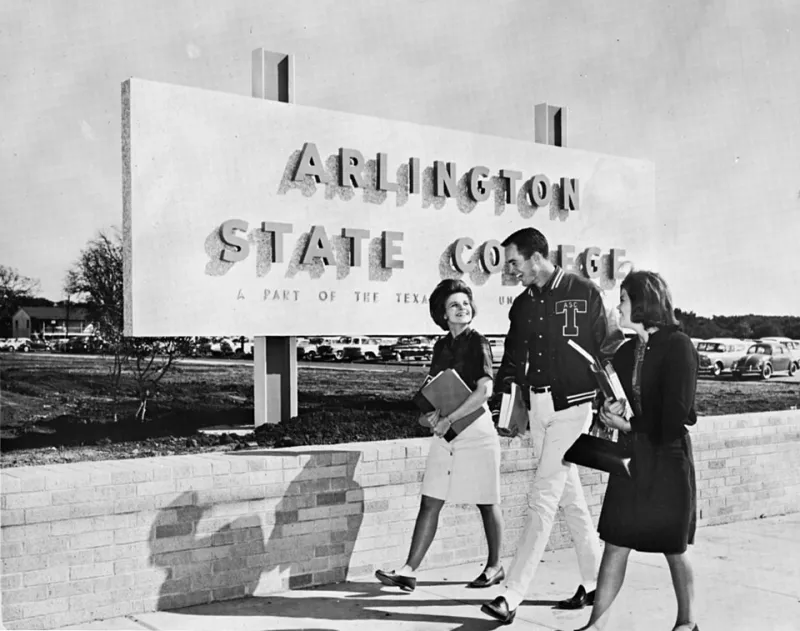
Photo: University of Texas at Arlington News Service Photograph Collection, CC BY 4.0, via Wikimedia Commons
Most students give more thought to their class schedule than to how they will physically travel between the buildings on it. Yet the walk between a 7 p.m. chemistry lab and a residence hall is often the least supervised, least familiar stretch of a student's entire day. Route planning is not paranoia; it is a skill, and like any skill it improves with deliberate practice.
This article lays out a structured exercise you can complete during the first week of classes — before habits form — that maps your safest path from every regular destination on your weekly calendar.
Why Route Choice Is a Safety Decision
The fastest way across campus is rarely the safest way. A shortcut through an unlit service road or a wooded corridor between academic buildings may save four minutes while removing every element that deters trouble: witnesses, lighting, and visibility. Choosing a route is really a series of small judgments about exposure — how visible you are, how quickly someone could reach you, and how well you can see what is ahead.
Campus safety infrastructure exists to support those judgments, but it only helps if you know where it is. A blue light emergency phone you cannot locate in the dark provides no protection.
The Week-One Route Audit
Bring a campus map (paper or on your phone) and set aside ninety minutes in daylight. Then walk each of these segments, not the way you would normally hurry, but the way an auditor would:
- Dorm to your earliest class.
- Each class building to the next, in sequence.
- Class buildings to your workplace, lab, or practice facility.
- Your latest scheduled activity back to your residence.
At every segment, note four things:
- Lighting. Are the lamps working? Are there dark gaps longer than thirty feet? Note where tree cover blocks the light.
- Sightlines. Can you see the next corner before you reach it, or does a wall, hill, or row of shrubs hide it?
- Traffic and witnesses. Does the route pass occupied buildings, staffed offices, or active streets?
- Emergency infrastructure. Mark every blue light phone, emergency call box, and campus police substation along the way.
Do this once in daylight, then repeat your evening routes after dark during the first two weeks. Lighting that seems adequate at noon can be deceptive.
Building Your Route Map
Transfer your notes into a simple three-tier system:
- Primary routes — your default daytime paths. These should maximize visibility and foot traffic.
- After-dark routes — deliberately chosen alternatives that favor lighting, well-traveled corridors, and proximity to call boxes, even if they take longer.
- Fallback points — the three or four nearest safe locations on each route: a 24-hour library entrance, a staffed front desk, a campus shuttle stop, a call box.
A one-page sketch of this system, taped inside a dorm room door or saved as a phone note, is worth more than any single gadget. That said, a reliable flashlight on your keychain or in your everyday bag pairs naturally with this plan — the best route is only useful if you can see and be seen on it.
When to Switch Routes After Dark
Conditions change. Treat the following as automatic triggers to shift from a primary route to an after-dark route:
- Darkness before you expected it. Daylight shortens quickly from September through November in much of the United States. Recheck your routes when clocks change.
- Construction or closed walkways. Detours often funnel pedestrians into poorly lit areas. Reroute deliberately rather than improvising.
- Empty corridors. If your usual after-dark path is unusually deserted — during breaks, holidays, or bad weather — choose the busier option.
- Intuition. If something about a stretch of path feels wrong on a given night, take the alternate. The cost is a few minutes; the benefit is confidence.
Share the Map
Route planning works best as a shared habit. Exchange your after-dark routes with a roommate or friend so someone always knows which path you are taking and roughly when you should arrive. Many campuses also offer walking-escort or safety-shuttle services; learn their hours and phone numbers now, during week one, rather than searching for them at 11 p.m. in October.
A Small Investment With Lasting Returns
Ninety minutes of walking and a single page of notes will outlast most safety purchases a family makes before move-in. Combined with basic gear — a light source, a charged phone, a noisemaking alarm — a well-mapped route turns the most routine part of a student's day into a deliberate, defensible plan. That is the quiet kind of preparedness that works precisely because it becomes invisible: you simply know your way home.