Secondhand, Not Second-Rate: A Student's Inspection Guide for Used Dorm Gear
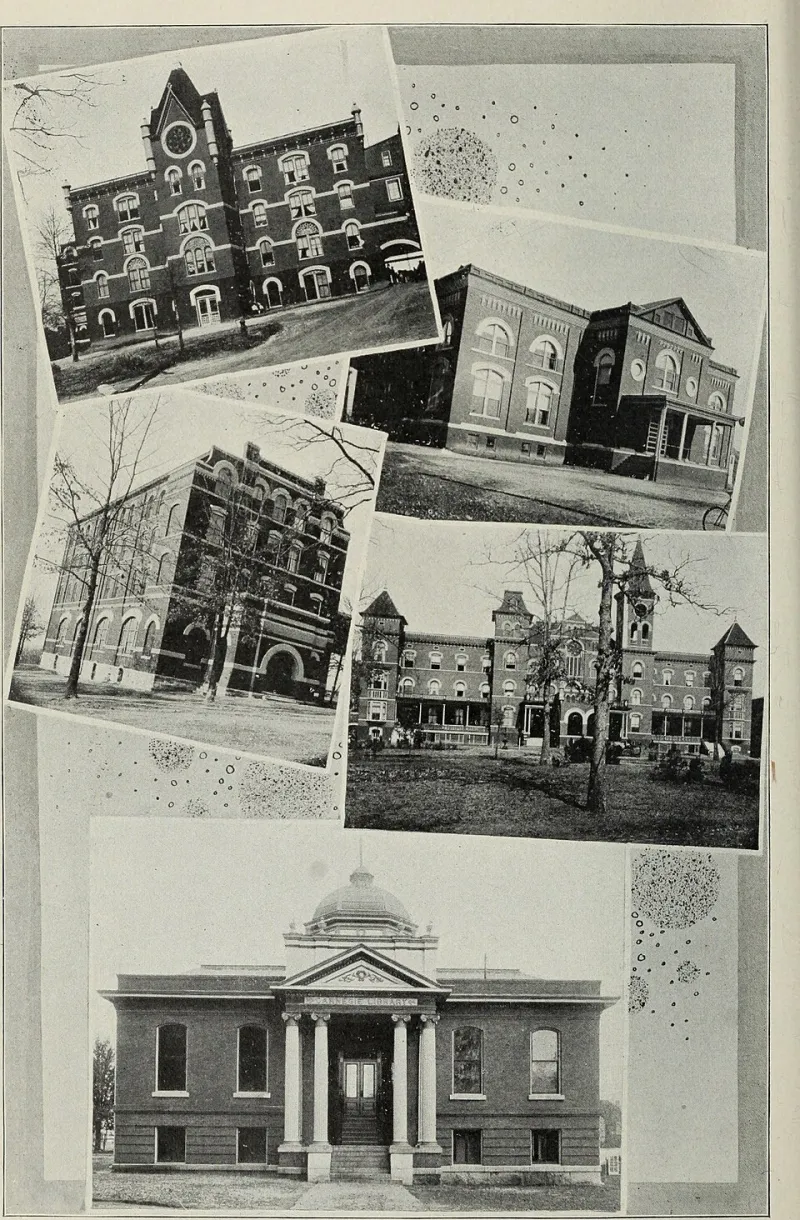
Photo: Cornell University Library, No restrictions, via Wikimedia Commons
Move-in week has a way of exposing every gap in your budget. Between tuition, books, and a meal plan, the idea of spending four hundred dollars on a new mini fridge, microwave, and desk lamp can feel absurd — which is exactly why so many students turn to Facebook Marketplace, campus resale groups, and local thrift stores. Buying used is genuinely smart. It is also where a little diligence matters, because some second-hand bargains carry risks that have nothing to do with price.
Why the Second-Hand Market Thrives on Campus
Every May, thousands of graduating seniors face the same problem: they own a fridge, a rug, a fan, and a set of shelves, and none of it fits in the car home. The result is a predictable flood of listings every spring and a corresponding wave of deals every August. For students, this turnover economy is a real advantage — much of what circulates is only a year or two old and was purchased specifically for dorm life.
The savings are real, but so is the variance. A used mini fridge from a tidy senior is a fine purchase. A used space heater from a stranger is not. Knowing the difference is the entire skill.
The Short List: Never Buy These Used
Some products simply should not circulate second-hand, no matter how good the listing photo looks.
- Space heaters and hot plates. Heating elements degrade, and many off-campus leases and residence halls ban them outright. A device that draws high wattage and has an unknown history is the single worst category of used purchase.
- Bike helmets. This one surprises people. Helmets are single-impact equipment — the protective foam is designed to crush once. A helmet can look flawless while carrying invisible damage from a drop or a fall, and there is no way to inspect for it. Buy helmets new, always.
- Phone chargers and power strips. Counterfeit chargers are already a documented fire risk in the new-goods market; the used market is worse. Frayed cords and modified strips belong in the trash, not your dorm.
- Lithium battery devices of unknown age. Used e-bikes, scooters, and hoverboards sold without their original charger or documentation are a growing cause of residential fires. Skip them unless the seller can verify the battery's provenance.
- Mattresses and upholstered furniture. Bed bugs and allergens travel in fabric. The savings never justify the extermination bill.
Safe Bets: Where Used Actually Makes Sense
Plenty of dorm staples are low-risk second-hand purchases. Solid furniture — desks, bookshelves, bed risers — mostly fails visibly, so a quick look tells you what you need to know. Fans, storage bins, mirrors, dry-erase boards, desk lamps with intact cords, and kitchen items made of glass or metal are all reasonable buys. Even the mini fridge, the classic resale item, is generally a safe purchase if you inspect it properly.
The Five-Point Inspection Checklist
Before you pay for anything with a plug, a hinge, or a frame, run through these five checks. They take less than five minutes and will screen out most problems.
- Look it over in good light. Ask the seller to meet somewhere well-lit, or bring a flashlight. You are hunting for cracks, corrosion, scorch marks, and melted plastic — especially around vents, cords, and outlets.
- Inspect the cord end to end. Run your hand down the full length of the power cord. Feel for fraying, kinks, or tape. A taped cord is a repaired cord, and a repaired cord is a fire risk.
- Test it under load. Plug it in and let it run. A fridge should get cold within twenty minutes; a fan should run quietly without a burnt smell; a lamp should hold a bulb firmly. Never buy an electric item the seller claims "probably works."
- Check for certification marks. Flip the item over. You want to see a UL, ETL, or Intertek listing mark. No mark means no independent safety testing, which is disqualifying for anything that heats, cools, or draws significant power.
- Smell it. It sounds odd, but your nose catches things your eyes miss: burning odors, mold, cigarette smoke baked into plastic. A strange smell from an appliance is a reason to walk away on the spot.
A Word on Where You Buy
Campus-run resale groups and end-of-year donation sales organized by residence life offices tend to be the safest channels — the sellers are peers, the items are local, and you can often inspect on site. Marketplace and Craigslist require more caution: arrange to meet in a public place, bring a friend, and never pay a deposit for an item you have not seen in person. Thrift stores offer the least information about an item's history, which makes the five-point checklist above even more important there, and makes their appliance sections best avoided entirely.
Budget Protection Is Personal Safety
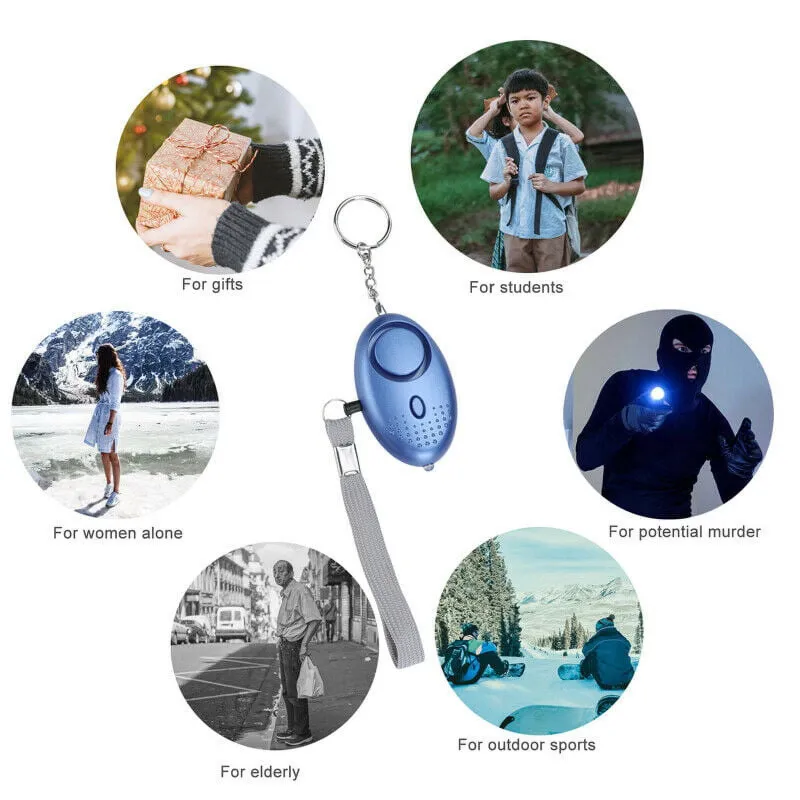
It is tempting to think of safety gear as the stuff you carry — the whistle, the flashlight, the door alarm. But a frayed power strip under your desk or a secondhand heater by your bed is just as much a safety issue, and one with a paper trail of dorm fires behind it. Furnishing smart is part of preparing smart. Spend where it counts, inspect everything else, and let the graduating class's castoffs outfit your first year without costing you your peace of mind.